
 Cart is empty
The Allure of the Casino Environment
Casinos are designed to be mesmerizing, with their bright lights, captivating sounds, and luxurious decor. This well-crafted ambiance plays a crucial role in drawing players in and keeping them engaged. Every element, from the color schemes to the arrangement of gaming tables, is strategically placed to create an exhilarating experience. For those looking for an alternative, casino non gamstop options can provide a similar thrill without some of the usual restrictions, enticing visitors to try their luck and stay longer, often forgetting about the time and their budgets. The atmosphere is intentionally crafted to create a sense of urgency and thrill, making it easy for players to lose track of their spending.
Another intriguing aspect of the casino atmosphere is the psychological manipulation at play. The absence of clocks and windows is not just a coincidence; these design choices help maintain an insular environment where players lose track of time. Moreover, casinos often employ a range of stimuli—like upbeat music and the sounds of coins clinking or machines spinning—to enhance the feeling of euphoria associated with winning. This carefully crafted environment ultimately fuels the myth of easy winnings and endless entertainment. The sensory overload can create a kind of trance where players feel wholly immersed in the experience, often leading them to gamble more than they originally intended.
Casinos also employ highly trained staff who contribute to the alluring environment. Dealers and pit bosses understand how to engage with players to create a friendly yet competitive atmosphere. This social interaction makes players feel valued, while the excitement of the game can obscure rational decision-making. The blend of visual, auditory, and social stimuli creates a powerful draw, leading many to think of casinos as places where fortune awaits at every turn. Staff members are trained not just in game rules but also in customer service, enhancing player engagement and encouraging repeat visits, thereby solidifying the casino’s role as a social hub.
The Truth Behind Winning Odds
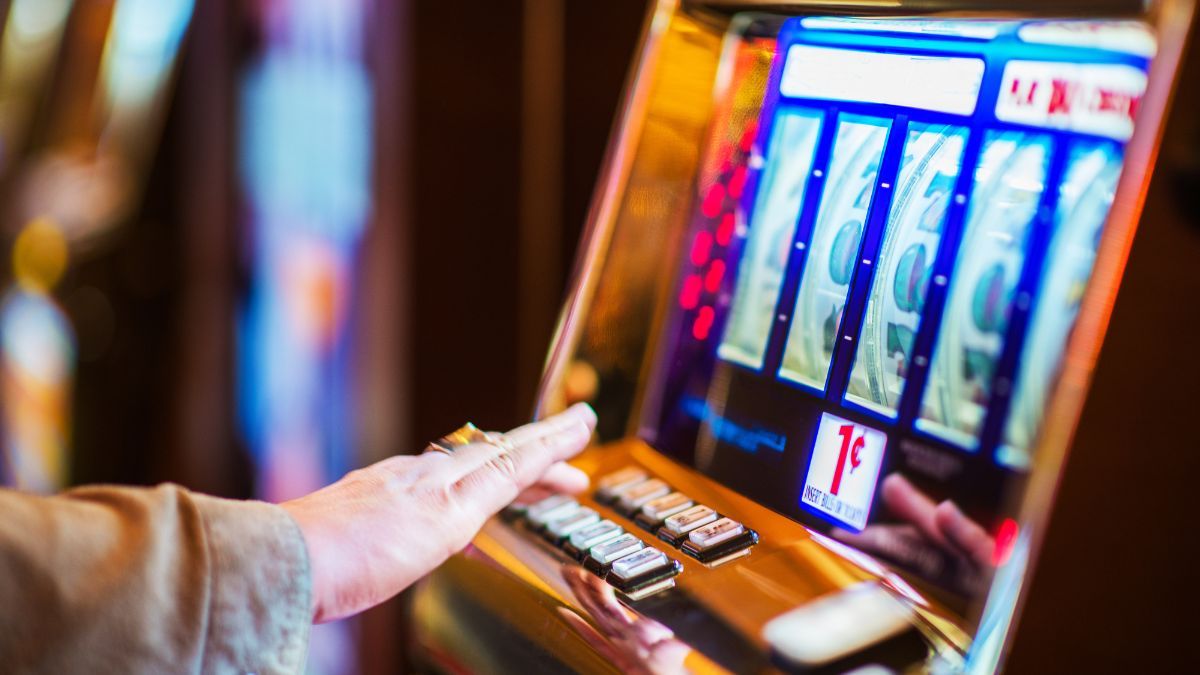
A common myth surrounding casinos is the belief that players can manipulate their chances of winning. Many people think they can employ strategies or systems that will guarantee a payout, such as betting progressions or focusing solely on “hot” machines. However, the reality is that most games are based on Random Number Generators (RNG), making outcomes entirely unpredictable and independent of previous results. Each spin of a slot machine or roll of the dice is a separate event, rendering previous wins or losses irrelevant to future bets. This randomness is a fundamental aspect of gaming that players must understand to demystify the notion of control.
Understanding the house edge is essential for grasping the mechanics of casino games. The house edge refers to the percentage that the casino keeps from every bet, ensuring its profitability in the long run. For example, if a game has a house edge of 5%, players can expect to lose that percentage over time, regardless of short-term wins. This knowledge dispels myths that certain games or strategies can provide a consistent path to winning, highlighting instead that gambling should be viewed as entertainment rather than a reliable source of income. Players need to approach games with realistic expectations about their chances of winning, which can significantly affect their experience.
Moreover, the outcome of each game can be influenced by a player’s choices. For instance, in card games such as blackjack, player strategy significantly impacts the odds. However, this doesn’t guarantee a win, and relying solely on personal strategy without understanding the inherent risks can lead to greater losses. Gamblers must remember that casinos are designed to make money; thus, long-term winning in a casino environment is statistically improbable for the average player. The key takeaway is that while skill may play a role in certain games, the overall odds remain against the player, reinforcing the importance of moderation and responsible gambling.
The Role of Luck vs. Skill
When it comes to gambling, the debate on luck versus skill is a hot topic. Many players enter casinos believing that luck is the primary contributor to winning, often overlooking the skill involved in certain games. For instance, poker is largely a game of skill, where experienced players can read their opponents and make calculated decisions. In contrast, games like roulette or slots rely almost entirely on luck, with predetermined outcomes that players cannot influence. This distinction is crucial for players to understand as it shapes their approach to the games they choose to play.
This dichotomy can obscure the reality that while luck can play a significant role in gambling, skill can increase the likelihood of favorable outcomes in skill-based games. Experienced players often invest time in learning strategies that can enhance their performance, emphasizing the importance of knowledge and practice in achieving success. This blend of luck and skill fuels a misconception that all gambling is merely about chance without accounting for the expertise needed in various games. The more informed a player is about their chosen game, the better equipped they are to navigate the inherent risks.
Understanding the balance between luck and skill is vital for responsible gambling. Players who recognize the role of skill in games like poker may adopt a more analytical approach, enhancing their overall gaming experience. However, players who solely rely on luck may encounter disappointment over time as they fail to grasp the complexities of the games they play. Ultimately, success in gambling is about striking a balance between these two elements and knowing when to walk away. This awareness can help players manage their expectations and maintain a healthier relationship with gambling.
The Myths of Casino Promotions and Loyalty Programs
Casino promotions and loyalty programs are often perceived as golden opportunities to increase one’s chances of winning. Many players are lured by the promise of bonuses, free spins, or cashback offers, leading them to believe that these promotions are a surefire way to come out ahead. However, many of these promotions come with strings attached, often in the form of high wagering requirements or limited usability. Understanding the terms and conditions is crucial in grasping the true value of these offers. Many players find themselves disappointed when they realize the fine print negates the benefits they thought they were receiving.
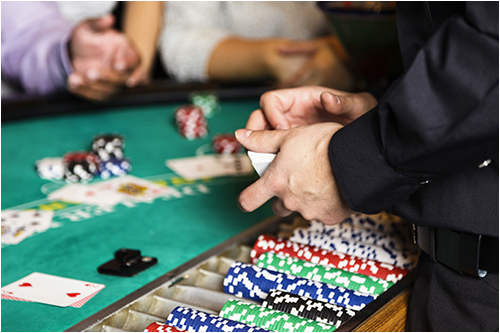
Moreover, while loyalty programs can provide perks such as free meals, show tickets, or even complimentary hotel stays, they can also encourage excessive spending. Players may feel compelled to gamble more to reach a certain tier in the loyalty program, leading them to lose sight of their budget. The allure of rewards can create a false sense of security, prompting players to chase losses or continue playing even when they should stop, which ultimately contributes to the cycle of gambling addiction. This can turn what should be a fun experience into a harmful pursuit driven by the pressure to achieve rewards.
Casino promotions are designed to enhance customer retention, benefiting the casino more than the players in many cases. While they can add an extra layer of excitement to the gambling experience, it’s essential for players to approach these offers with caution. Knowledge of the fine print can prevent misunderstandings and help players make informed decisions about their gambling habits, steering clear of the traps that can arise from enticing promotions. Ultimately, players should view these offers as bonuses rather than guarantees of success.
Understanding Casino Dynamics and Responsible Gambling
Understanding the dynamics of a casino environment is key for any player seeking to navigate this thrilling yet potentially perilous world. Responsible gambling is about recognizing one’s limits and approaching gameplay as a form of entertainment rather than a means to make money. Players should establish strict budgets and timelines to ensure they enjoy their time without falling into the trap of chasing losses or betting more than they can afford. This discipline is essential for maintaining a healthy relationship with gambling.
Education is a powerful tool in responsible gambling. Knowledge of odds, game mechanics, and the psychology of gambling can empower players to make informed decisions. Many casinos offer resources and support for individuals who may be struggling with gambling-related issues, including self-exclusion programs and counseling services. Understanding these resources is essential for promoting a safe gambling environment. Awareness of these options can help players recognize when they need assistance and encourage them to seek help before gambling becomes a problem.
Finally, spreading awareness about responsible gambling can help mitigate the negative consequences associated with casino gaming. Engaging in meaningful conversations about addiction, the odds of winning, and the importance of self-control can foster a healthier perspective on gambling. Emphasizing that winning isn’t guaranteed can help reshape expectations and encourage players to view their time in casinos as a fun social activity rather than a financial strategy. This shift in mindset can lead to more enjoyable experiences and lessen the likelihood of negative outcomes associated with gambling.


